U.S. Seizes Russian Oil Tanker, Raising Pressure on Shadow Fleet
The U.S. has seized a Russian-flagged oil tanker, Bella 1, following a weeklong pursuit across the Atlantic, a move that has put the spotlight on the so-called “shadow fleet” supporting President Vladimir Putin’s economy.
The operation, carried out after the ship escaped a U.S. blockade of Venezuela, has stirred tensions and raised questions about the future of sanctioned Russian oil exports.
Moscow quickly condemned the seizure, calling it “a gross violation” of maritime law, and expressed “regret and concern” over what it described as Washington’s willingness to provoke an international crisis.
Yet the response has been measured, reflecting a complex calculation as the U.S. moves assertively in areas Russia considers within its sphere of influence. Some voices in Russia have even expressed frustration or jealousy at the efficiency of the American operation.
The Bella 1 and the Shadow Fleet
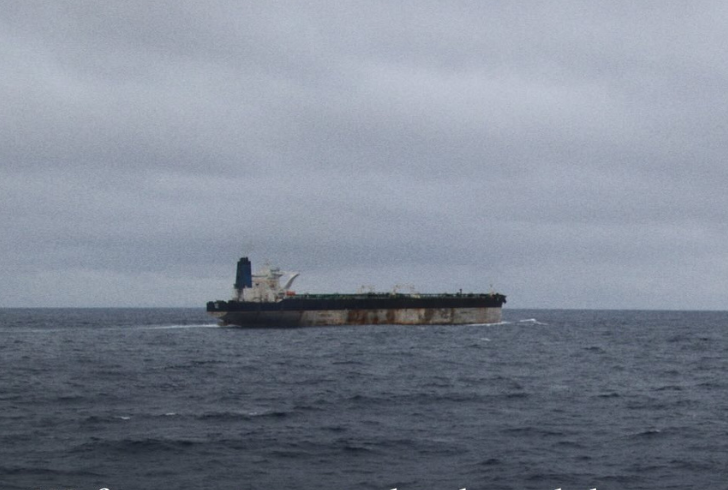
Instagram | united24.media | The Bella 1, once known as Marinera, represents the core of shadow fleet operations.
The tanker, which had briefly changed its name to Marinera and flown a Russian flag, was already under U.S. sanctions since June 2024. Richard Meade, editor-in-chief of Lloyd’s List Intelligence, described Bella 1 as a “poster child” for shadow fleet operations.
These ships transport oil for nations under international sanctions, including Russia, Iran, and Venezuela, often using false identities and flags while performing ship-to-ship transfers to hide the origin of their cargo. Many are poorly maintained, operate with little oversight, and sometimes lack proper insurance.
According to the International Maritime Organization, Bella 1 was owned by Burevestmarine LLC, based in Russia’s Ryazan region, with Ilya Bugai listed as the company director.
The shadow fleet has become central to Russia’s efforts to keep its economy afloat after international sanctions following the invasion of Ukraine. Data from the Kyiv School of Economics shows that in November 2025 alone, 173 Russian shadow fleet tankers departed domestic ports and engaged in ship-to-ship oil transfers.
Ukrainian President Volodymyr Zelenskyy has repeatedly emphasized that these vessels help finance Russia’s war, noting that most operate without oversight. Ukraine’s foreign minister, Andrii Sybiha, welcomed the Bella 1 seizure and praised the U.S. action as decisive.
Strategic Implications for Russia
While the seizure is unlikely to cripple the Russian economy, it introduces new uncertainties for the Kremlin. Other sanctioned oil tankers operating near Venezuela have recently switched flags to Russia’s, signaling Moscow’s growing control over its exports.
Meade observed that the Bella 1 operation could reshape the willingness of shadow fleet operators to align directly with Russia. The success of the U.S. intervention raises questions about whether similar enforcement actions may follow.
Russia’s muted response so far could be influenced by ongoing diplomatic calculations. Moscow may aim to avoid provoking the U.S., particularly given former President Donald Trump’s involvement in peace talks related to Ukraine.
The lack of public comments from President Putin or his spokesperson contrasts with the foreign ministry’s formal request for “humane” treatment of the tanker’s crew while urging compliance with international maritime norms.
Regional and Global Reactions
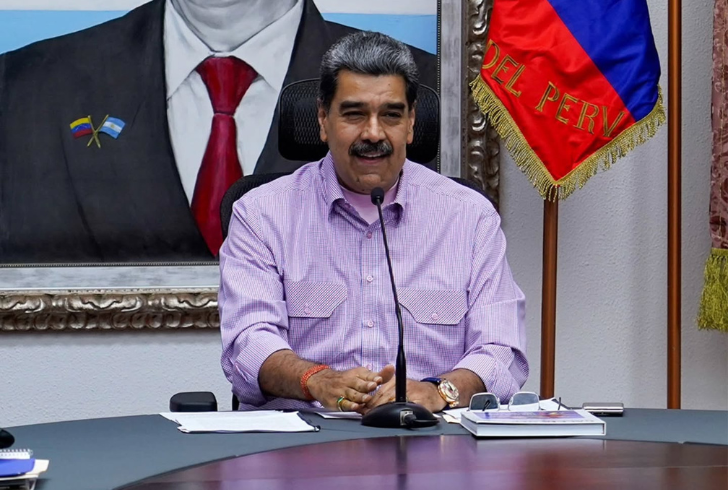
Instagram | nicolasmaduro | U.S. efficiency ousting Maduro earned Russian military praise despite official aggression labels.
The operation against Bella 1 also reflects the broader geopolitical impact of U.S. actions in Venezuela. The removal of President Nicolás Maduro deprived Russia of a longstanding ally. While Russian authorities labeled the U.S. action as “armed aggression,” some military commentators expressed admiration for the speed and efficiency of the operation, drawing comparisons to Russia’s own military campaigns.
Trump’s intervention in Venezuela has, in Russian eyes, underscored the idea of great powers controlling spheres of influence, reinforcing the Kremlin’s justification for actions in Ukraine.
Analysts suggest that the operation highlights the growing complexity of international oil trade under sanctions, especially as the shadow fleet plays a central role in bypassing restrictions.
The U.S. seizure of Bella 1 highlights growing scrutiny of shadow fleet operations. While it does not dismantle Russia’s network, the operation introduces uncertainty and pressure on vessels that have long operated under minimal oversight.
Moscow’s cautious response, combined with international attention on sanctioned oil shipments, could signal a shift in how shadow fleet activities are monitored and challenged, and may influence whether these ships continue under false flags or move directly under Russian control.