How to Fix a Dripping Tap at Home and Reduce Water Costs
A dripping tap often fades into the background until the noise becomes irritating or the utility bill raises questions. What seems like a minor household issue can quietly waste thousands of liters of water each year.
In some cases, especially with hot water taps, that steady drip can translate into real money lost. Fixing it early keeps water use in check and prevents small problems from turning into costly repairs.
Why a Dripping Tap Should Never Be Ignored
According to Shay Walsh Plumbing in Kildare, a slow drip can waste more than 180 liters of water every day. Over a year, that equals roughly 66,000 liters lost. When the drip comes from a hot water tap, the financial impact becomes even more noticeable.
Shay Walsh Plumbing highlights that heated water going unused is money being thrown away. They reference figures from Electric Ireland, noting that:
“Heating one cylinder of water (180 liters) using an immersion heater costs about €2 per day.”
That daily cost adds up to €730 or more per year if left unchecked. Even with oil boilers or wood burners, the expense remains significant for a problem that is often easy to address.
At times, a loose tap only needs a quick hand-tighten. Still, when dripping continues, it usually points to a leak inside the fixture. Ignoring it can lead to higher water usage, added energy costs, and potential damage around sinks or countertops.
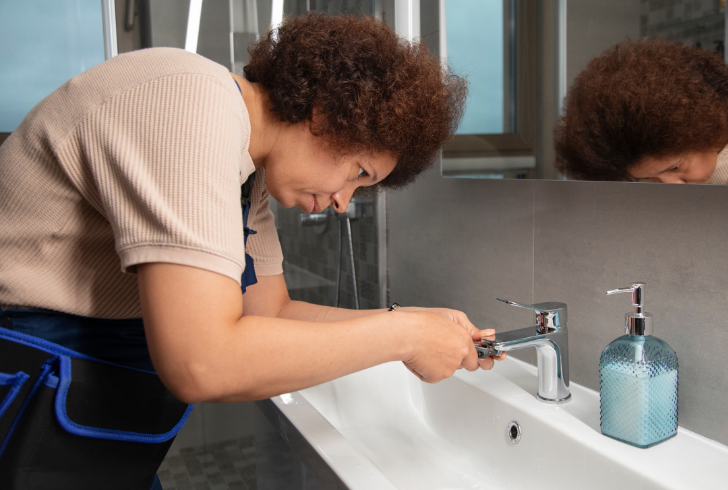
Freepik | Tighten loose taps immediately to prevent costly water waste and structural damage.
Expert Advice on Tackling the Problem
Bathroom specialists at Vidalux encourage homeowners to check taps before calling a plumber. Many dripping issues stem from minor wear or buildup that can be fixed at home.
Andy Ellis from Vidalux explains:
“Dripping taps can be a real nuisance, and many people’s first thought is to call a plumber. But the good news is you may be able to save money by tackling the problem yourself.”
He also recommends checking the rest of the house:
“If other taps are dripping too, it may point to high water pressure rather than a single faulty tap.”
Common Reasons Faucets Start Dripping
Several everyday issues can trigger leaks, including:
1. Limescale buildup around the spout
2. Loose packing nuts from frequent use
3. Dirty or worn cartridges
4. Aging rubber washers
These problems tend to develop slowly, which is why regular inspection helps catch them early.
Practical Steps to Fix a Dripping Faucet
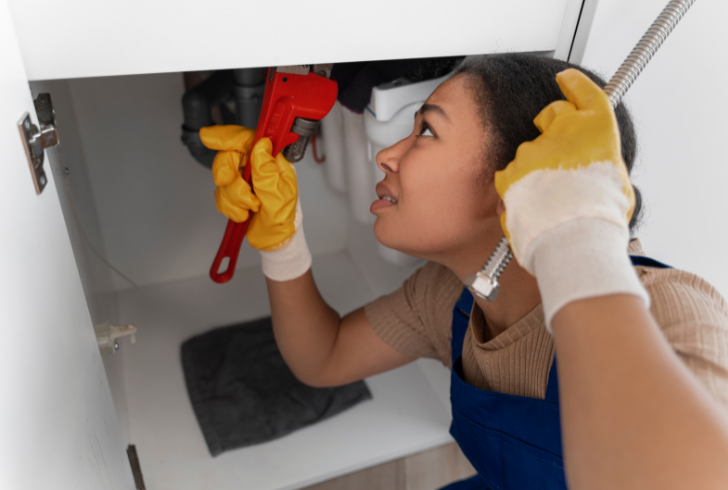
Freepik | Check internal components for spout drips and the seal for handle leaks.
1. Identify the source of the drip
Water dripping from the spout often signals an internal issue. Leaks around the handle usually mean the seal beneath it has worn down.
2. Clean the tap thoroughly
Debris and limescale can interfere with proper sealing. Denise O’Donoghue from Vidalux advises:
“Take a sponge or cloth and remove any debris from the tap and remember to clean this area regularly.”
3. Tighten loose components
Handles and internal nuts can loosen over time. Removing the handle and gently tightening the packing nut often solves the issue.
4. Check the rubber washer
Traditional taps rely on a rubber washer to form a tight seal. If dripping persists, the washer may need replacement. As a short-term solution, turning it over can help until a new one is installed.
5. Replace the cartridge if needed
Modern faucets often use a ceramic or plastic cartridge instead of a washer. A worn cartridge usually needs a full replacement to stop leaks.
6. Look beyond one faucet
Multiple dripping taps in the home may indicate excessive water pressure, which requires a broader fix.
Addressing a dripping faucet right away reduces water waste, lowers energy bills, and prevents larger plumbing problems. Small fixes done early often remove the need for costly professional repairs later, making faucet maintenance one of the simplest ways to protect both household budgets and water resources.